Brain and spine, in plain language
A calm, clear guide to brain and spine care.
Neurosurgery.mu is a clear, reassuring patient-education resource on brain and spine conditions, explaining symptoms, diagnosis and treatment options for patients in Mauritius.

Understand the condition
Plain-language explanations of common brain and spine problems, and what the words on your report actually mean.
Know which signs matter
Learn the everyday aches that settle on their own, and the warning signs that deserve urgent attention.
See how care works
How scans and tests are used, and the honest range of options, from watchful waiting to surgery.
Arrive prepared
Reviewed against public guidance so you can walk into an appointment calmer and ready to ask better questions.
Patient tools
Turn worry into understanding
Free, private, and honest about their limits: these tools run in your browser, store nothing, diagnose nothing, and each one ends by pointing you toward a real conversation with a doctor.
Written against NHS, NICE and WHO public guidance. Last reviewed 2026-07-16.
What is Neurosurgery.mu?
Neurosurgery.mu is a patient-education resource that explains brain and spine conditions in clear, reassuring language for people in Mauritius. Neurosurgery is the field of medicine concerned with conditions of the brain, spine, and nerves, from back and neck problems and trapped nerves to head injuries, brain tumours, and disorders of the blood vessels that supply the nervous system. For most patients, the hardest part of a diagnosis is not the medical detail but the uncertainty: what the condition actually is, which symptoms matter, how it is investigated, and what the realistic range of treatments looks like. Neurosurgery.mu exists to close that gap. Articles walk through common conditions and their symptoms, explain scans and tests in plain words, and describe both conservative care and surgical options honestly, including what recovery tends to involve. Nothing here replaces a consultation, and the site does not diagnose, treat, or recommend specific doctors or hospitals. Instead, it aims to help patients and families arrive at their appointments informed, calmer, and ready to ask better questions about brain and spine care.
Frequently asked questions
What does a neurosurgeon actually treat?
Neurosurgeons care for conditions affecting the brain, spine, and nerves, including herniated discs, spinal stenosis, brain tumours, head and spine injuries, hydrocephalus, and problems with the blood vessels of the brain. Importantly, much of what they manage does not end in surgery: many patients are treated with observation, medication, or physiotherapy first. Surgery is generally considered when it offers a clear benefit over other options.
Does seeing a neurosurgeon mean I will need an operation?
No. A referral to a neurosurgeon is a request for expert assessment, not a decision to operate. Many brain and spine conditions are managed conservatively with monitoring, medication, or rehabilitation, and a neurosurgical opinion often simply clarifies the diagnosis and the safest path forward. When surgery is recommended, the surgeon should explain why it is preferable to continuing non-surgical care.
When should back pain or neck pain be checked urgently?
Most back and neck pain settles with time and simple measures, but some warning signs deserve prompt medical attention. These include pain with new weakness or numbness in a limb, loss of bladder or bowel control, numbness around the groin, pain after significant trauma, or pain accompanied by fever or unexplained weight loss. If any of these occur, seek medical care quickly rather than waiting for the pain to pass.
What is the difference between a CT scan and an MRI for brain and spine problems?
A CT scan uses X-rays and is fast, which makes it useful in emergencies such as head injuries or suspected bleeding. An MRI uses magnetic fields, takes longer, and shows soft tissues such as the spinal cord, discs, and brain in finer detail, so it is often preferred for planning treatment of non-emergency conditions. Doctors choose between them, and sometimes use both, depending on the question they need answered.
Is the information on Neurosurgery.mu a substitute for medical advice?
No. Neurosurgery.mu publishes general patient education about brain and spine conditions, not personalised medical advice, and it does not diagnose or treat any condition. Decisions about investigations, surgery, or any other treatment should always be made with a qualified doctor who has examined you and knows your history. The content here is meant to help you understand and discuss your care, not replace it.
From the blog
View all
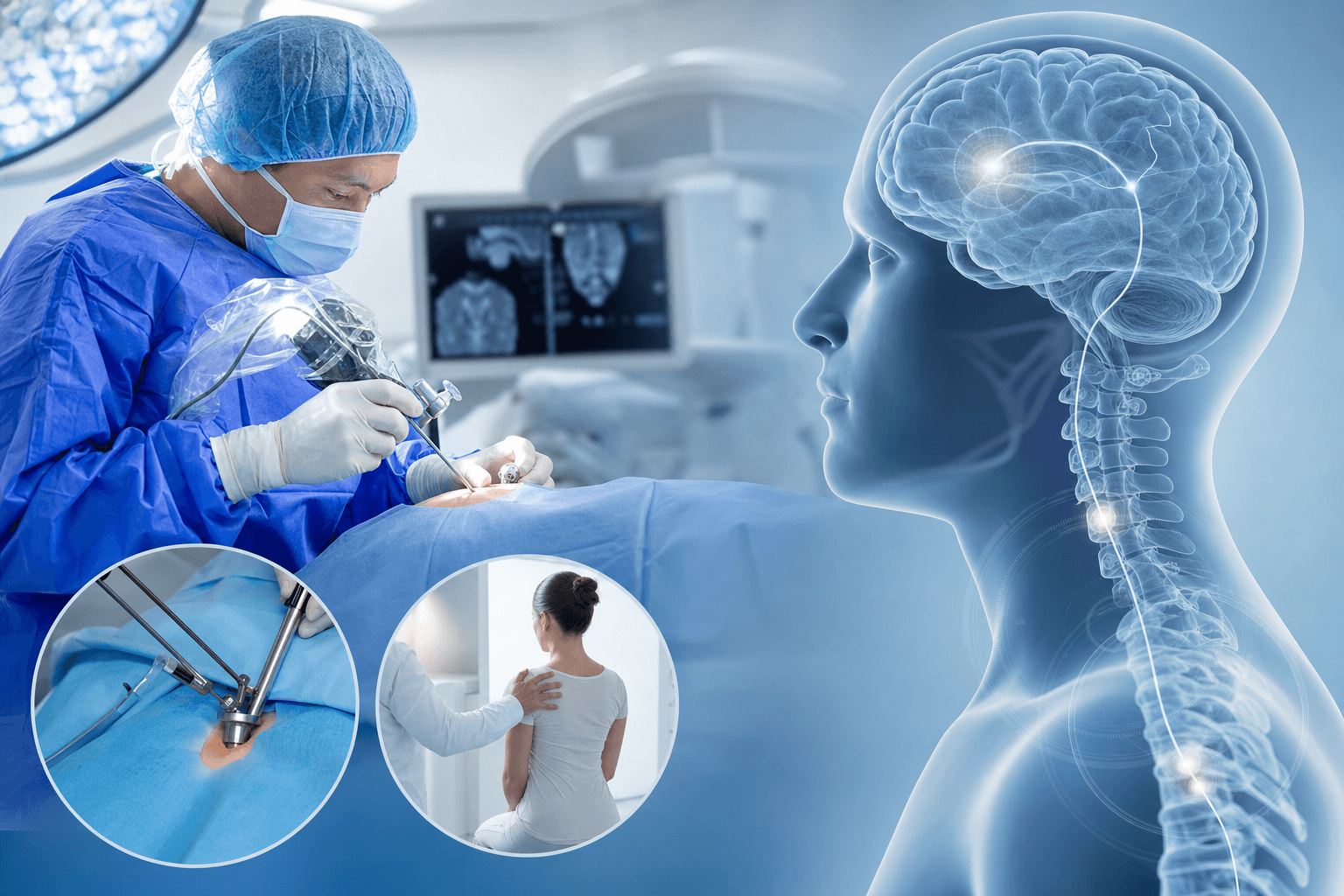
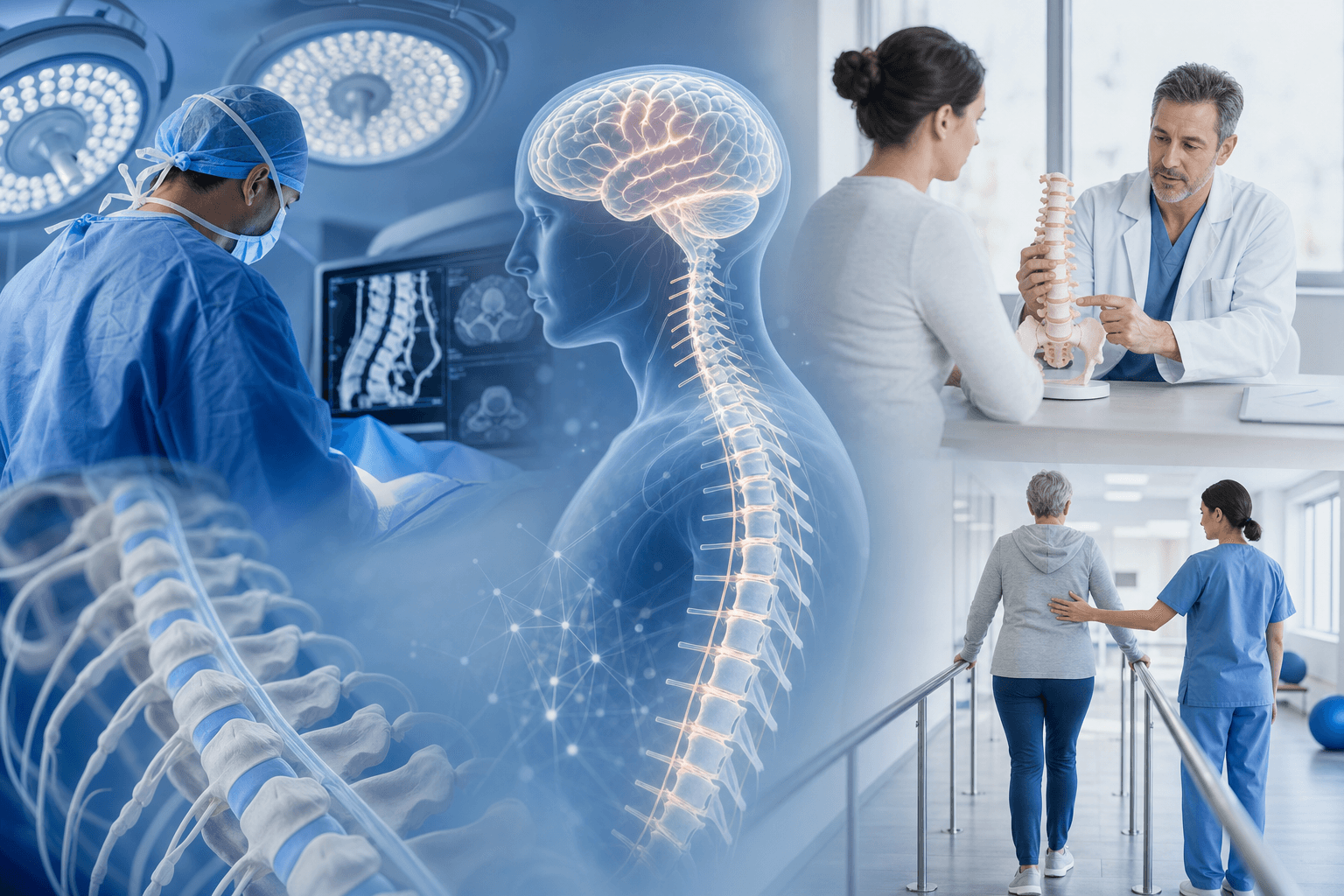
Clear information is the first step in good brain and spine care.
Neurosurgery.mu is part of the Medtech medical technology ecosystem.
Discover Medtech