Understanding a Herniated (Slipped) Disc: Causes, Symptoms and Treatment
10 June 2026 · By Neurosurgery.mu · Updated 17 June 2026
If you have been told you have a herniated disc, or a "slipped disc" as many people call it, you may feel worried about what this means for you. The good news is that this is a very common condition, it is well understood, and most people improve without needing surgery. This guide explains what is happening in your spine, why it causes the symptoms you may be feeling, and the range of treatments that can help you recover.
What is a herniated disc?
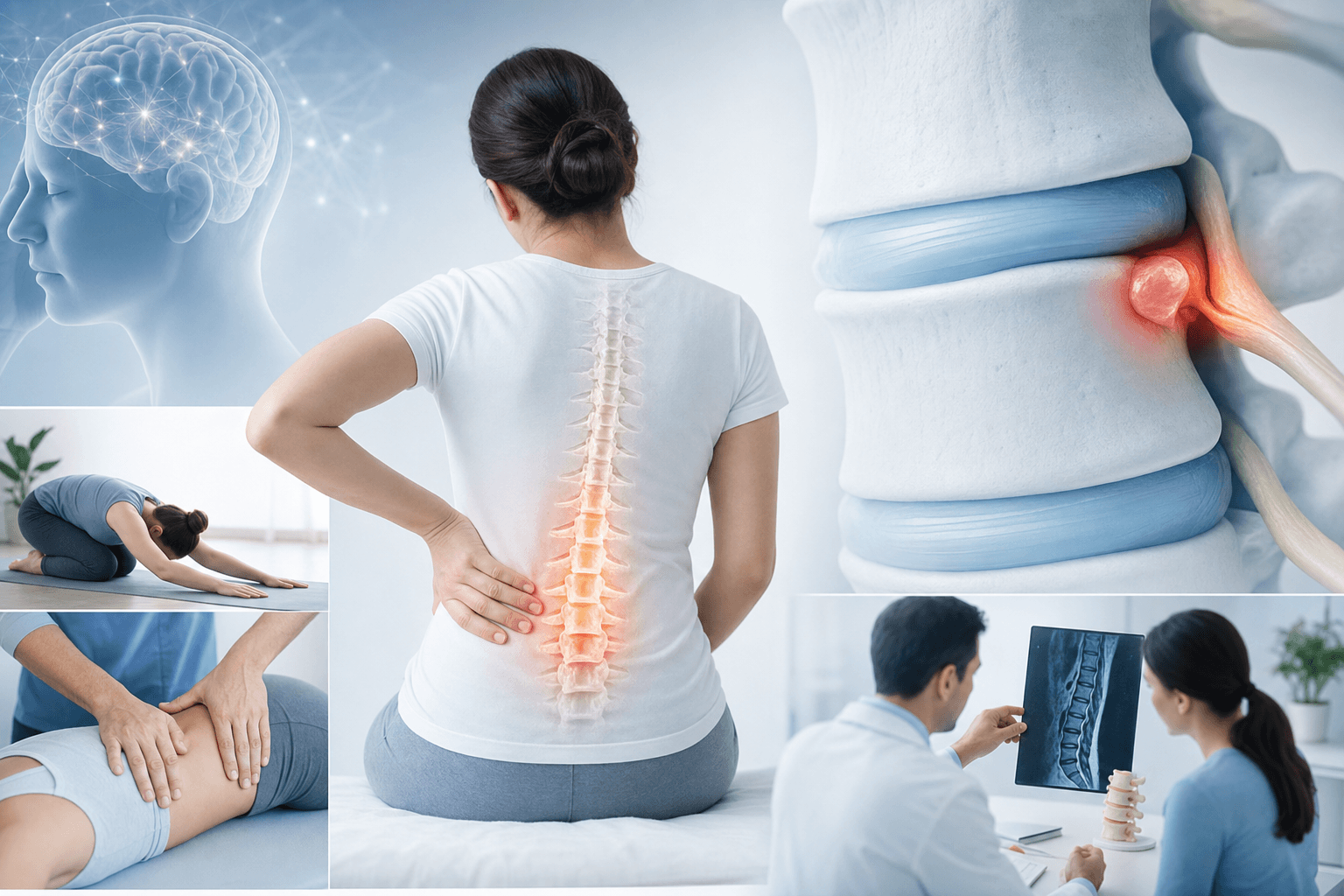
Your spine is made up of bones called vertebrae, stacked one on top of another. Between each bone sits a small cushion called an intervertebral disc. Each disc has a tough outer layer and a soft, jelly-like centre. These discs act as shock absorbers, allowing your back to bend and twist comfortably.
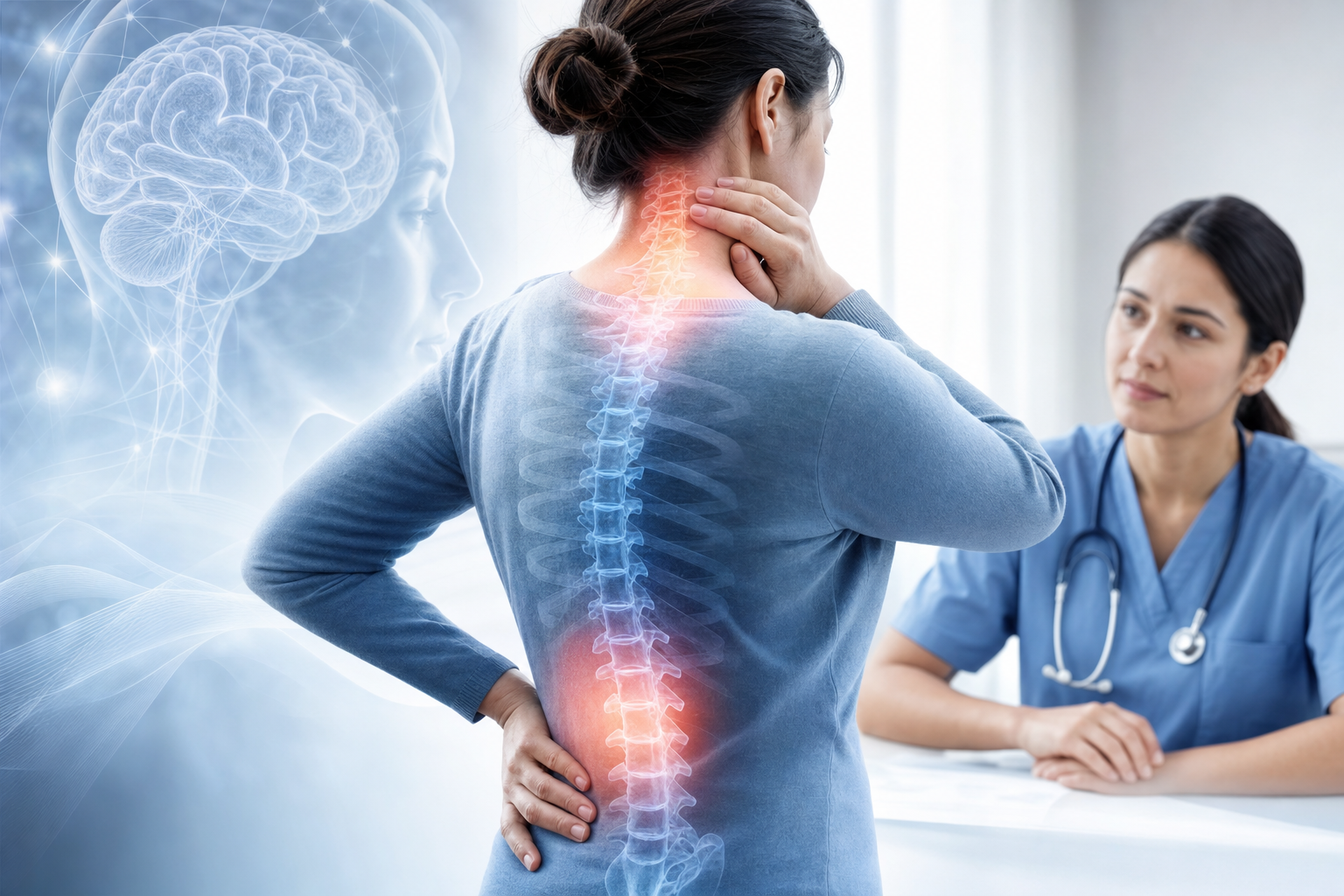
A herniated disc happens when the soft inner part pushes through a weak point or tear in the tough outer layer. The term "slipped disc" is a little misleading, because the disc itself does not actually slip out of place. Instead, part of its inner material bulges or leaks outward. Sometimes this causes no problems at all. Other times, the bulging material presses on a nearby nerve, and that is what produces pain and other symptoms.
Herniated discs are most common in the lower back (the lumbar spine) and in the neck (the cervical spine).
What causes it?
In many cases there is no single dramatic event. Discs naturally lose some of their water content and flexibility as we get older, which makes them more likely to tear. This gradual wear is a normal part of ageing and happens to everyone to some degree.
Other things can raise the risk or trigger a herniation, including lifting heavy objects with poor technique, sudden twisting movements, being overweight, smoking, a physically demanding job, and long periods of sitting. Sometimes a disc herniates during an ordinary activity like bending to pick something up. Genetics can also play a part, so it may run in families.
Common symptoms
Symptoms depend on where the disc is and whether it is pressing on a nerve. Many people with a herniated disc have mild symptoms or none at all.
When symptoms do occur, they often include:
- Pain in the back or neck, which may be worse with movement, coughing or sneezing.
- Pain that travels down an arm or leg. A herniated disc in the lower back can cause pain that runs down the buttock and leg, often called sciatica.
- Tingling or a "pins and needles" feeling in an arm, hand, leg or foot.
- Numbness in the area supplied by the affected nerve.
- Weakness in certain muscles, which might make you feel that a limb is giving way or harder to use.
Most of these symptoms ease over time as the body gradually reabsorbs the herniated material.
How is it diagnosed?
A specialist will usually start by listening carefully to your story and examining you. This physical examination checks your reflexes, muscle strength, sensation and the way you move, which helps to locate which nerve may be involved.
Imaging is not always needed straight away, especially if symptoms are mild and improving. When it is required, an MRI scan is the most useful test, because it shows the discs and nerves clearly without using radiation. Sometimes a CT scan or X-ray is used as well. These tests confirm the diagnosis and help guide treatment decisions.
Treatment options
The encouraging reality is that the great majority of herniated discs improve with simple, non-surgical care over a period of weeks. Treatment usually follows a step-by-step approach.
Conservative (non-surgical) treatments include:
- Staying gently active. Complete bed rest is no longer advised. Light movement helps recovery.
- Pain relief such as simple painkillers or anti-inflammatory medicines, taken as advised by your doctor.
- Physiotherapy, which uses targeted exercises to strengthen the muscles that support your spine and improve flexibility.
- Applying heat or cold to ease muscle tension.
- In some cases, a guided injection of anti-inflammatory medicine near the affected nerve to reduce pain and swelling.
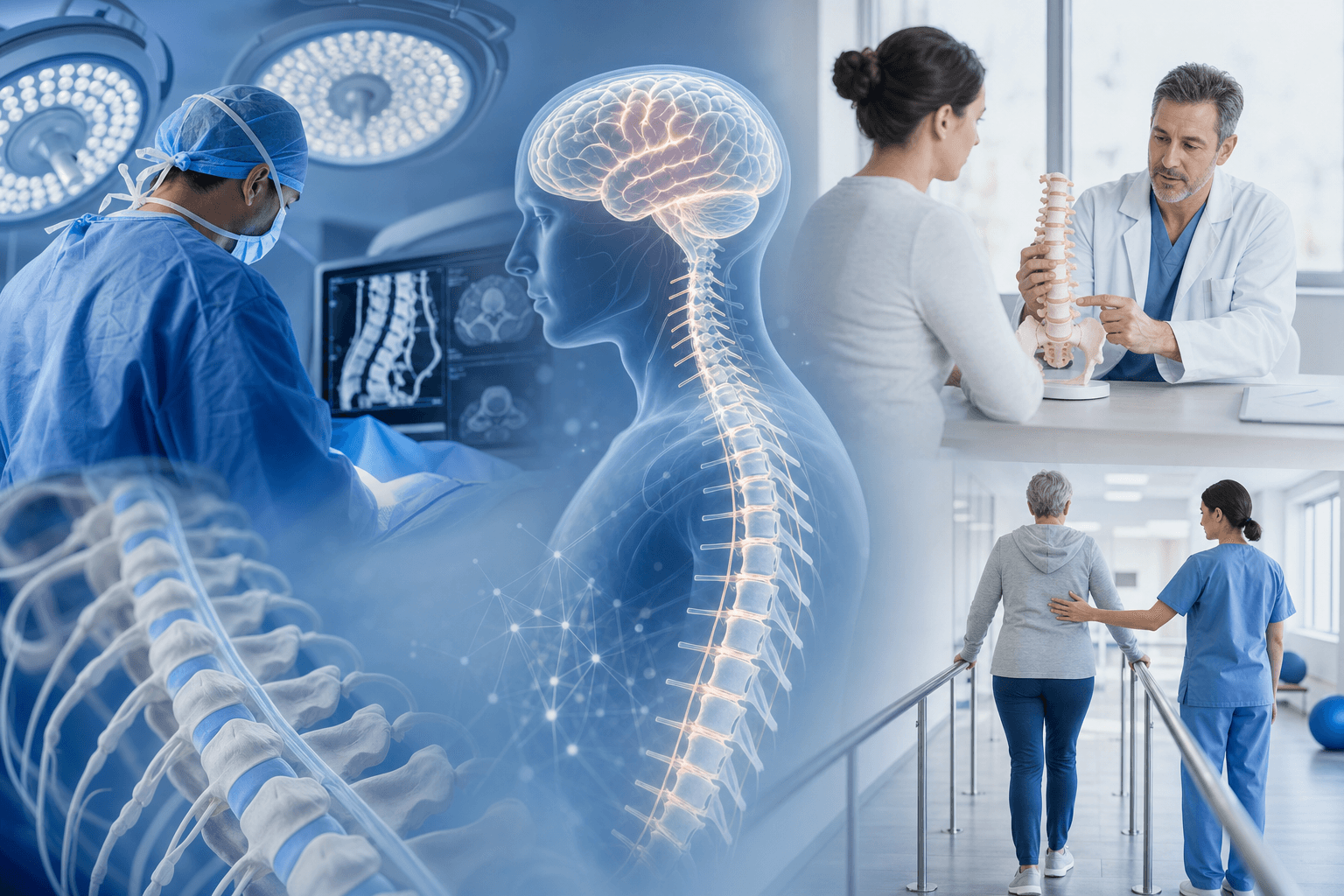
Surgery is considered only for a minority of patients. It may be recommended when severe pain does not settle after several weeks of conservative treatment, when there is significant or worsening muscle weakness, or in rare emergencies involving loss of bladder or bowel control. Modern procedures, such as a microdiscectomy, are often minimally invasive, with small incisions and a quicker recovery. Your surgeon will explain whether surgery is suitable and what to expect.
This article is general education and is not a substitute for personalised advice from your own doctor.
When to see a specialist
It is sensible to seek medical advice if your pain is severe, if it is not improving after a few weeks, or if it keeps coming back. You should seek urgent care if you notice rapidly increasing weakness in a limb, numbness around the groin or inner thighs, or any difficulty controlling your bladder or bowels. These last symptoms are uncommon but need prompt attention.
A calm takeaway
A herniated disc can be painful and unsettling, but it is rarely dangerous and is very often temporary. Most people recover well with patience, gentle activity and guidance from their care team, without ever needing an operation. If your symptoms are troubling you or simply not settling, speaking with a specialist can give you a clear diagnosis, reassurance, and a plan that fits your life. You do not have to manage this alone, and effective help is available.
Clear information is the first step in good brain and spine care. Explore the wider Medtech health ecosystem.